As winter approaches, a little preventative maintenance can go a long way toward protecting your home. Taking care of small issues now may help you avoid costly damage—and the disruption that can come with an insurance claim or restoration project.
Before the first freeze or major snowfall, take a few minutes to check these areas:
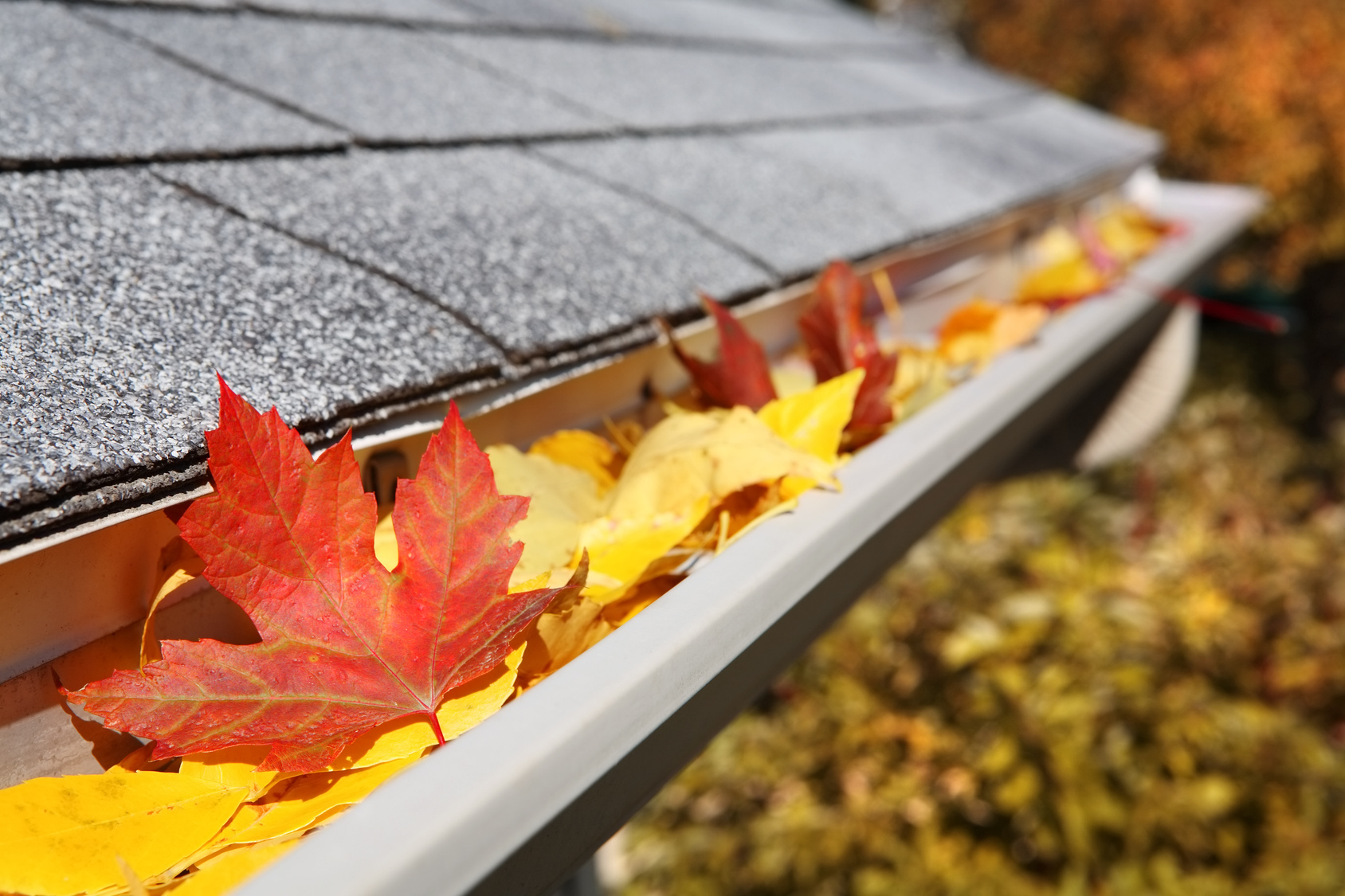
Clean Gutters & Downspouts
Clear out leaves and debris and make sure downspouts direct water away from your foundation. Blocked gutters can contribute to water intrusion, roof damage, and foundation issues.
Inspect Your Roof
Look for missing or damaged shingles, deteriorated flashing, or other signs of wear. Addressing roof problems before winter weather arrives can help prevent leaks and interior water damage.
Test Your Sump Pump
A working sump pump is your first line of defense against basement water. Test the pump and make sure the discharge line is clear. If you have a backup system, test that as well.
Check Attic Insulation & Ventilation
Proper insulation and ventilation can help prevent moisture buildup and reduce the potential for ice dams and related water damage.
Winterize Exterior Plumbing
Disconnect hoses, drain outdoor faucets, and protect exposed pipes from freezing. A burst pipe can quickly turn a simple maintenance issue into a significant water-loss claim.
Trim Trees Around Your Home
Remove dead or damaged branches, especially those close to your roof. Heavy snow and ice can cause branches to break and damage your home or other property.
Service Your Furnace
Have your heating system inspected before the cold weather arrives. Replace filters as needed and make sure your carbon monoxide detectors are working properly.
Prevent the Problem Before the Claim
Not every loss can be prevented, but regular home maintenance can reduce the risk of avoidable damage. A few hours of preparation this fall could save you from a much bigger headache this winter.
And if the unexpected does happen, knowing what to do next can make the recovery process easier. Keep your insurance information handy, document damage with photos, and contact your insurance company and a qualified restoration professional as soon as possible.